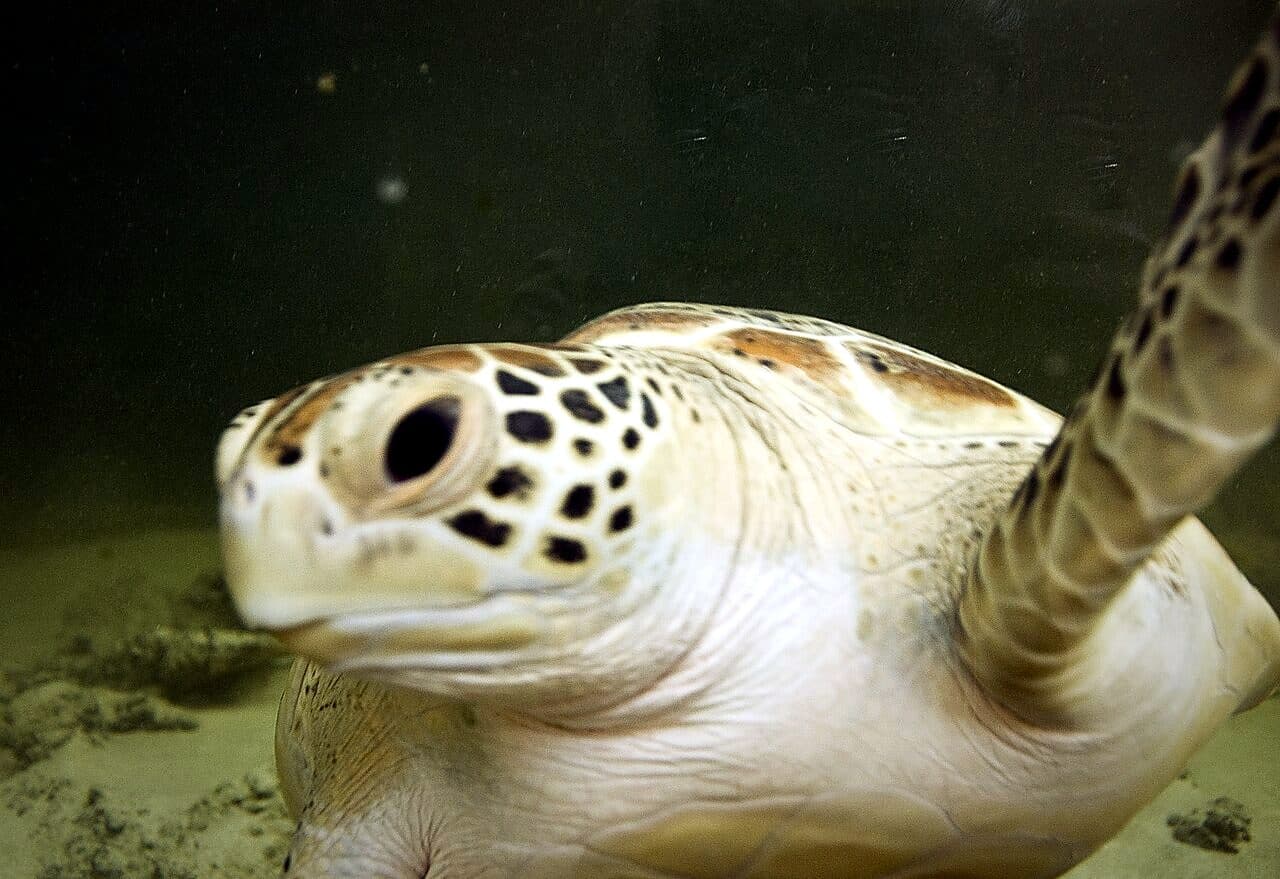
The photo above is a green sea turtle (the species that nests on Redang) — illustrative, not photographed at Redang.
Redang is a genuine sea-turtle nesting island — green turtles (the common one) and hawksbills both come ashore to lay eggs — and you have a real chance of swimming with a turtle on the reef. The turtles nest on the quiet north-coast beaches, above all Chagar Hutang, a protected turtle sanctuary run as a long-term research site by Universiti Malaysia Terengganu. Be clear before you plan: Chagar Hutang is a conservation reserve, not a tourist beach — general access is restricted and the nesting beach is reached only through UMT volunteer or research programmes, not on a normal resort day-trip. For most visitors, "seeing turtles" means encountering them while snorkelling or diving, which is common in season.
Where
Around Redang
Time needed
Reef encounters: any snorkel/dive trip. Sanctuary programmes: multi-day volunteer stays
Best months
Green turtles nest roughly March-December (peak August); hawksbills roughly January-September (peak May). Reef encounters are best in the calm, clear season
Type
Wildlife
What it costs
Seeing turtles on the reef while snorkelling or diving costs nothing beyond your trip. Access to the Chagar Hutang sanctuary is not a paid tour — it is via UMT/SEATRU volunteer and research programmes only; check their current openings and terms directly.
What to expect
- Green and hawksbill turtles both nest on Redang north coast
- A real chance of swimming with a turtle on the reef in season
- Chagar Hutang — a protected turtle sanctuary and UMT research site
- Volunteer and research programmes, not day-trips, are the only way onto the nesting beach
- Peak green-turtle nesting around August
Our independent tip
Do not expect to walk onto Chagar Hutang on a day-trip — it is a protected research beach, and access is deliberately limited to UMT/SEATRU volunteers to keep the nesting undisturbed. If watching turtles nest matters to you, look into their structured volunteer programme well ahead. For everyone else, the realistic and rewarding way to see turtles is on the reef: snorkel and dive trips regularly encounter them, so keep your distance, never touch or chase them, and let them surface to breathe in peace.
Frequently asked questions
Can you see turtles on Redang?
Yes. Green and hawksbill turtles nest on the island and are regularly encountered by snorkellers and divers on the reefs in season, so a turtle sighting in the water is a realistic hope rather than a guarantee. Keep your distance and never touch or chase them.
Can tourists visit the Chagar Hutang turtle sanctuary?
Not as a casual day-trip. Chagar Hutang is a protected nesting beach and long-term research site run by Universiti Malaysia Terengganu, with restricted access to avoid disturbing the turtles. The way in is through their volunteer/research programmes, which you arrange in advance — not a resort excursion.
When do turtles nest on Redang?
Green turtles nest roughly from March to December, peaking around August, while hawksbills nest roughly from January to September, peaking around May. Nesting happens at night on the protected north-coast beaches, not on the busy resort beaches.
More things to do on Redang
Building the trip around this?
Sort the boat over from Merang, or pick a base for the night.